
Is Free Streaming Legal? How to Find Safe and Legal Free Movie Sites
You want to watch movies and TV shows without paying for another subscription. That’s completely understandable — and completely legal when you choose the right platforms. The confusion arises because not all free streaming sites operate the same way.
Why ‘Free’ Doesn’t Always Mean Illegal
Free streaming exists in two completely different worlds. On one side, you have legitimate platforms that license content legally and generate revenue through advertising, just like broadcast television has done for decades. These services pay content creators, follow copyright laws, and provide safe viewing experiences. If you’re looking to cut the cord entirely, watching TV without cable is more straightforward than most people expect.
On the other side are piracy sites that host copyrighted material without permission. These sites might seem appealing because they offer the latest releases immediately, but they operate outside the law — and the trouble is, they can look nearly identical to legitimate services on the surface.
How Legal Free Streaming Works (AVOD and FAST Explained)
Legal free streaming operates on two main models that replace subscription fees with advertising revenue. Understanding these models helps you recognize legitimate services and know what to expect from your viewing experience.
Advertising Video on Demand (AVOD) works like traditional broadcast television, moved online. You watch content for free, and the platform shows you advertisements during natural breaks. Ad revenue is shared between the platform and content creators, funding the service without requiring monthly payments from viewers.
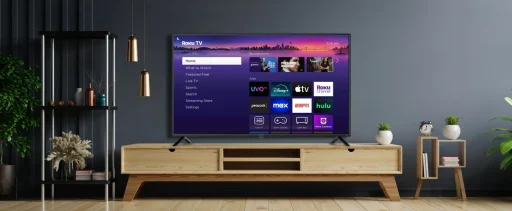
Free Ad-Supported Streaming Television (FAST) takes this concept further by creating dedicated channels that run continuously. Instead of choosing individual episodes or films, you tune into channels focused on specific genres, countries, or content types. UVOtv operates on this model with over 700+ live channels spanning regions from Nigeria and India to Latin America and Ukraine, each one running continuously and available at no cost — check out the full list of available live channels here. It’s the same logic as tuning into a television network, just without the cable bill.
The Risks of Using Piracy Sites
Illegal streaming sites create multiple risks that extend far beyond potential legal consequences.
Legal Risks
In most countries, streaming copyrighted content from unlicensed sources is illegal, even when you’re not downloading anything. Enforcement varies by jurisdiction, and the risk for casual viewers is low. But it isn’t zero. Some countries actively pursue individual users, and your internet provider may be required to log and report suspicious activity. Using a VPN specifically to access piracy sites also tends to be treated by regulators as evidence of deliberate intent rather than an honest mistake.
Security and Malware Risks
Piracy sites are among the internet’s most dangerous categories for malware infection. These sites rarely invest in proper security measures and often rely on malicious advertising networks to generate revenue. Clicking the wrong button can download viruses, ransomware, or spyware onto your device.
The pop-up ads and redirect chains common on piracy sites frequently lead to phishing attempts designed to steal your personal information. These sites have no incentive to protect their users since they’re already operating illegally.
Many piracy sites also require you to disable ad blockers or security software, further exposing your device to threats. Legal platforms eliminate these risks entirely — for a fuller breakdown, see how free ad-supported streaming actually works.
Content Quality Issues
Beyond security concerns, piracy sites often provide poor viewing experiences. Video quality can be inconsistent, with files compressed heavily to save bandwidth costs. Audio might be out of sync, subtitles may be inaccurate or missing entirely, and streams frequently buffer or stop working mid-viewing.
Since these sites don’t pay for proper content delivery networks, streaming performance depends entirely on server availability and your geographic location. A film that works perfectly one day might be completely unwatchable the next.
How to Tell If a Free Streaming Site Is Legal
Free streaming sites share a few common characteristics. Before you start watching, check for:
- Business information — a legitimate service has a visible privacy policy, terms of service, and contact details. If you can’t find any of these, leave.
- Normal advertising — legal services show ads in natural breaks, the way broadcast TV does. Aggressive pop-ups, redirects, or prompts to disable your security software are warning signs.
- Catalog-focused libraries — legal free platforms license content through standard distribution windows. If a site has films currently in theaters or episodes that aired yesterday, the content isn’t licensed.
- Official apps — legitimate services are available on iOS, Android, Roku, and Apple TV. A service that only exists as a website with no app store presence is worth avoiding.
- A findable business — legal streaming platforms appear in mainstream tech and entertainment media. If a search for the platform’s name returns nothing but forum threads and mirror sites, that’s your answer.
Where to Watch Movies and TV Shows Free and Legally
A few years ago, legal free streaming meant limited libraries and questionable quality. That’s changed. There are now enough solid platforms that choosing between them is actually worth thinking about.
UVOtv specializes in serving diaspora communities with over 700 live TV channels and on-demand films from Nigeria, India, Latin America, the Arab World, Ukraine, and other regions. If you’re looking to stay connected with content from your home country or discover international programming, UVOtv offers extensive libraries that are difficult to find elsewhere. The platform operates entirely legally, paying licensing fees to content creators and offering everything completely free.
Mainstream platforms rarely prioritise diaspora content. If you want to watch Holi festivities broadcast live abroad, follow Latino TV channels, tune into international Christmas specials, or other content from diaspora communities that actually reflects your traditions, UVOtv exists specifically for this gap.
As a legal option, UVOtv provides safe, reliable access to thousands of hours of content. While they may not have every single title you’re looking for, they offer extensive libraries that can satisfy most viewing preferences without the risks associated with piracy sites.
FAQ
Is it illegal to stream movies for free?
Streaming on legitimate ad-supported platforms is completely legal. Using piracy sites to access copyrighted content is illegal in most countries and can result in legal consequences.
What is AVOD?
Advertising Video on Demand means content is free to viewers but supported by advertisements, just like broadcast television. The ad revenue funds the platform and pays content creators.
Can I get a virus from free movie sites?
Illegal streaming sites are a known source of malware and phishing attacks. Legal platforms invest in proper security measures and provide safe viewing experiences.
Why do legal free streaming sites have ads?
Advertisements replace subscription fees as the revenue source. This model allows platforms to offer content legally while paying licensing fees to content creators and maintaining their services.
What kinds of films can I find on free legal streaming platforms?
More than most people expect. Legal platforms cover everything from international drama and documentaries to genre content like horror films and their subgenres. UVOtv leans toward diaspora programming — live TV and on-demand films from Nigeria, India, Latin America, Ukraine, and beyond — but the range across legal free platforms is broad.