How to Submit Your Film to International Streaming Platforms
Independent filmmakers face a familiar dilemma: you want your work to be seen, but you don’t want to hand over control in the process. With film festivals like Tribeca and Palm Springs ShortFest opening submission windows this June, many filmmakers are weighing their next move. Streaming distribution has evolved beyond the traditional gatekeepers. International platforms now offer direct pathways for independent content, often with terms that let you retain rights while building a global audience.
Getting your film onto a platform is more involved than it looks, and the decisions you make early — licensing model, platform, audience — shape everything that follows. The process is more accessible than it used to be. That doesn’t mean it’s simple.
Why Independent Filmmakers Should Consider Streaming Distribution
The films that diaspora audiences most want to watch have historically been the hardest to distribute. Not because the audiences weren’t there (they were), but because the infrastructure wasn’t built for them. Theatrical distribution required upfront costs, territorial deals, and relationships most independent filmmakers simply didn’t have. AVOD platforms changed that equation. You can now reach diaspora communities across continents without surrendering exclusive rights or paying a distributor to act as a gatekeeper.
The barrier to entry has dropped significantly, but that’s not the whole story. Revenue potential still varies widely, and many platforms that promise direct filmmaker access quietly extract value through opaque reporting, slow payment cycles, or revenue share terms that shift after the first contract renewal. Knowing what to look for before you sign matters.
For filmmakers making work aimed at specific cultural communities, the targeting argument for specialized platforms is strong. A broad AVOD platform may offer larger raw numbers, but a platform built around your audience’s identity tends to convert passive viewers into invested ones.
The analytics case for streaming is also real. Theatrical box office data arrives late and is filtered through third parties. Most AVOD platforms give you real-time performance data on your content, which is genuinely useful when planning your next project or deciding whether to push marketing spend behind a title.
Festival credentials can amplify streaming performance, but they’re not a prerequisite. As African cinema’s recent distribution history shows, culturally specific films can build substantial audiences through direct streaming without a major festival run behind them.
Types of Streaming Distribution Deals
Before you submit anywhere, understand what you’re signing. The licensing model determines not just how much you earn, but how much freedom you keep after the deal is done.
Non-Exclusive vs Exclusive Licensing
Non-exclusive deals let you license your film to multiple platforms simultaneously. You retain all rights and can continue shopping your film to other distributors, festivals, or direct-to-consumer channels. The trade-off is typically lower upfront payments or revenue share percentages, since the platform can’t guarantee exclusivity in its pitch to subscribers or advertisers.
Exclusive licensing hands one platform sole streaming rights to your film, usually within specific territories or for a defined window. Platforms pay more for exclusivity, since it’s worth more to them, but it limits what you can do with the title during that period. A Nigerian filmmaker who signs an exclusive North America deal with a general AVOD platform may find their film buried in a catalog that doesn’t know how to surface it, while a platform actually serving that diaspora audience can’t carry it. The exclusivity window expires, and the momentum doesn’t come back.
Most independent filmmakers are better served by non-exclusive arrangements early in a film’s life. You keep options open, gather real performance data across platforms, and can always pursue exclusivity later from a stronger negotiating position.
Revenue Share vs Flat Fee
Flat licensing fees offer predictable income. A platform pays you a fixed amount for a defined window, regardless of how the film performs. The upside is certainty, and the downside is that a flat fee is a ceiling. If your film finds an audience, you won’t see any of that upside.
Revenue share ties your earnings to actual viewership. UVOtv, for instance, operates on a straightforward 50/50 split. For every $100 your content earns through ad revenue, you receive $50, with no upfront fees and no exclusivity requirement. On other AVOD platforms, terms vary and are rarely published openly, so it’s worth asking for the exact split and payment schedule in writing before you commit.
Short films generally perform better under revenue share models. Flat fees for short-form content tend to be low enough to be barely worth the paperwork, while a film that connects with diaspora audiences can generate long-tail income over time.
Technical Requirements for Streaming Submission
Getting the technical details right upfront saves weeks of back-and-forth. Most platforms maintain similar standards, but the specifics matter more than filmmakers expect. A file that looks fine on your monitor can fail platform ingestion entirely.
File Formats and Resolution
The industry standard for streaming masters is ProRes 422 HQ at 1080p minimum, though many platforms now prefer 4K submissions when available. H.264 files are widely accepted but offer less flexibility for platform-specific encoding. Your master file should match your original shooting resolution. Artificially upscaling 1080p footage to 4K makes compression artifacts visible during platform encoding.
Audio should be delivered at 48kHz, 24-bit, with separate stems for dialogue, music, and effects where possible. This gives platforms flexibility for international dubbing and accessibility features. If you mixed in stereo, provide a full stereo mix plus isolated dialogue stems at a minimum.
Frame rates should match your original capture settings. Most platforms accept 23.976, 24, 25, or 29.97 fps. Try to avoid frame rate conversion unless absolutely necessary. Color grading should target the Rec. 709 color space for compatibility across devices and regions.
Subtitles and Metadata
Subtitle files expand your film’s international reach more than almost any other single delivery element. The standard format is SRT (SubRip), which most platforms ingest directly. Professional subtitle creation costs vary by language pair and provider, but budgeting a few dollars per minute is a reasonable starting point. Many platforms require English subtitles, and providing them regardless of whether they’re mandated improves discoverability, particularly for films in languages other than English targeting diaspora audiences in North America.
Your metadata package needs cast and crew credits, production year, genre tags, and a plot synopsis in multiple lengths, typically 25, 50, and 150 words. High-resolution poster art (minimum 2000×3000 pixels) and a landscape thumbnail (1920×1080) are required for platform placement.
Music clearances are where submissions most commonly stall. Every track needs documentation: composer, publisher, and usage rights. Platforms have become stricter about this, particularly for films containing commercial music. Get the paperwork in order before you start the submission process, not after.
Using Film Festivals as a Distribution Launchpad
Festival runs and streaming distribution work well together when timed correctly. A festival premiere can generate press coverage, industry attention, and audience buzz that translate into streaming performance, but the timing of the window matters.
Submit to festivals first if your film targets awards recognition or industry sales. Many festivals require premiere status, and streaming availability can disqualify submissions. Plan your festival strategy 6-12 months ahead, then sequence streaming releases to capitalize on festival momentum.
Short films benefit particularly from festival validation before streaming submission. A film that screens at Sundance, TIFF, or SXSW carries credibility that platforms recognize, often resulting in better placement or promotional support. Document your festival screenings and any awards, because platforms use this information for marketing copy and algorithmic recommendations.
However, don’t let festival aspirations delay streaming indefinitely. If your film doesn’t gain traction at festivals within 12-18 months, move on to direct streaming distribution. The window for cultural relevance closes quickly, and streaming platforms offer immediate global reach that festivals can’t match.
How to Find the Right Platform for Your Film
The instinct for most filmmakers is to aim for the biggest platform available. That instinct is usually wrong. A large general AVOD platform means competing for algorithmic placement against thousands of titles, with no guarantee your film reaches the audience it was made for. Discoverability on a platform that doesn’t understand your content’s cultural context is its own kind of invisible.
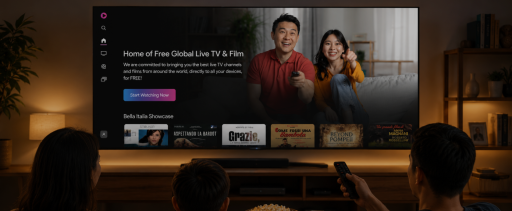
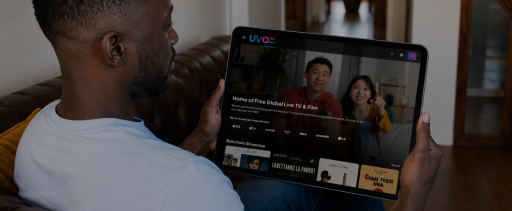
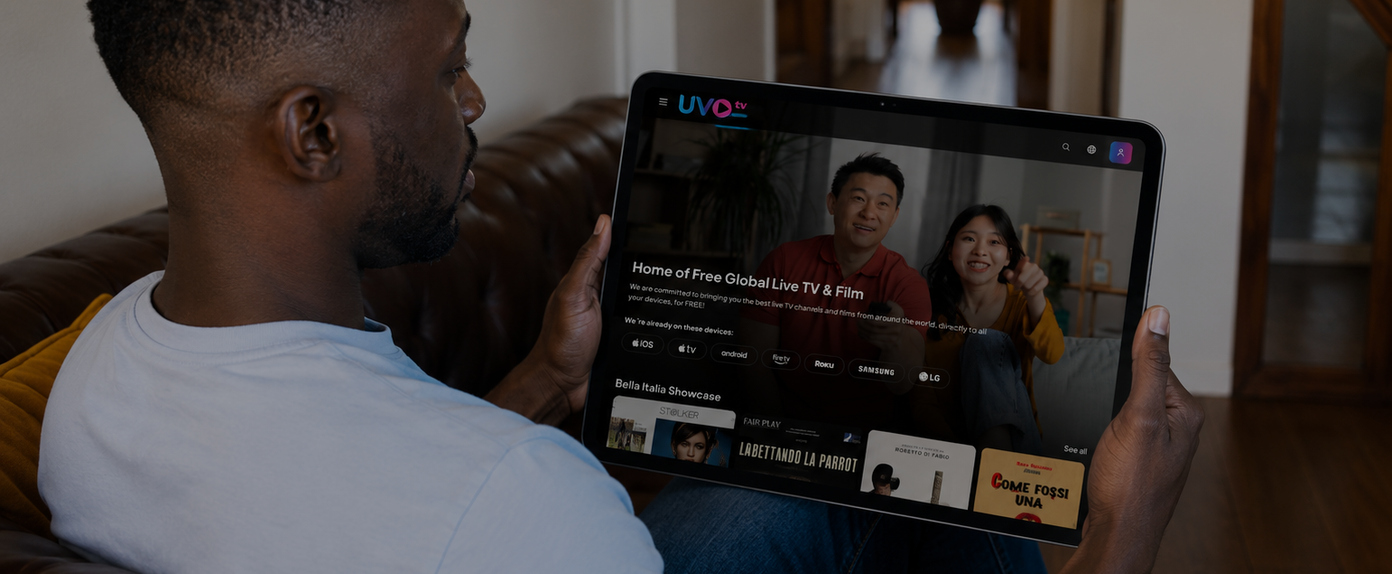
Diaspora-focused platforms like UVOtv are built around specific audience communities (Latin American viewers in the US, South Asian communities in Canada, African diaspora audiences across North America) rather than broad market demographics. Your film reaches viewers who are already looking for it, on a platform built around that audience from the start. For filmmakers making culturally specific work, that alignment with the right audience tends to outperform raw platform size.
General AVOD platforms remain worth considering for films with broad crossover appeal, but go in with realistic expectations about discoverability. Most operate on algorithmic recommendation systems that favor volume and engagement history, neither of which a new independent film has on day one.
Geographic licensing is worth thinking through carefully before you commit to anything. Some platforms license globally; others operate territory by territory. If your film has cultural specificity like language, setting, or references that land differently outside a particular community, a targeted regional platform will often outperform a global one that treats your film as one of thousands.
Content aggregators offer another route, handling technical delivery and platform relationships in exchange for a fee or revenue split. They can place your film across multiple platforms simultaneously, but they add a layer between you and your audience data and your payments. If you can submit directly, that’s usually the better path.
Start With the Right Audience for Your Indie Film with UVOtv
Streaming distribution gives independent filmmakers a genuine path to international audiences without handing over rights or signing away revenue. For films made for diaspora communities — stories in languages other than English, rooted in cultures that general platforms consistently underserve — the platform choice matters as much as the film itself.
UVOtv is built specifically for that audience: over 70 million people in the US and Canada who speak a language other than English and are actively looking for films from home. The terms are straightforward — a 50/50 revenue share, no exclusivity, full rights retention, and real-time analytics. If that audience is yours, submit your film here.
FAQ
How do I get my film on a streaming platform?
The process varies by platform. On UVOtv, independent filmmakers submit directly through creators.uvotv.com/signup without going through a distributor or paying aggregator fees. You’ll need a high-resolution master file (typically ProRes 422 HQ or H.264 at minimum 1080p), subtitle files, and a complete metadata package. Music clearances need to be documented before submission. Larger general platforms sometimes require festival credentials or a screener review before accepting a submission, but UVOtv focuses on cultural fit and audience relevance, particularly for films made for diaspora communities in North America. You can see the kind of films on the platform to get a sense of the content that’s already reaching diaspora audiences.
Do streaming platforms pay independent filmmakers?
Yes, though the model matters more than the headline rate. UVOtv operates on a straightforward 50/50 revenue share: for every $100 your content earns through ad revenue, you receive $50. There are no upfront fees, and you can continue licensing your film elsewhere at the same time. On general AVOD platforms, filmmaker revenue shares can vary significantly depending on the platform and deal structure. Flat licensing fees on SVOD platforms tend to range widely for independent features, and unlike revenue share models, they offer no ongoing upside if a film performs well.
What technical specs do streaming platforms require?
Most platforms require a minimum 1080p resolution in ProRes 422 HQ or H.264, 48kHz/24-bit audio, and SRT subtitle files. You’ll also need a metadata package with cast and crew credits, genre tags, and synopses in multiple lengths, plus high-resolution poster art and a landscape thumbnail for platform placement. UVOtv’s submission portal walks creators through these requirements directly, and the team supports creators who need guidance on technical delivery.
Can I submit a short film?
Yes. UVOtv accepts short films alongside features with no minimum runtime requirement. For diaspora audiences, short-form content often performs well because cultural stories don’t need feature length to resonate. Festival credentials can boost visibility, but UVOtv’s focus is on the audience connection the film creates, not on festival pedigree.
How long does the submission process take?
On larger general platforms, 2–12 weeks is typical, and technical issues with file delivery or metadata are the most common cause of delays. UVOtv’s process is designed to move faster, with a direct relationship between the platform and the creator rather than a queue-based review system. Getting your technical assets right upfront is the most reliable way to avoid delays on any platform.